

Watch Expectations Explained: What a Watch Can and Cannot Do
A watch is a small mechanical (or electronic) system that lives on your wrist—so it’s normal to wonder what “good performance” actually means. This guide helps you set realistic expectations about accuracy, durability, water resistance, and daily wear—so you can judge a watch fairly and choose one that fits your lifestyle.

Why expectations matter more than specs
Many disappointments come from treating a watch like a smartphone: always exact, always consistent, always “set and forget.” In practice, a watch is closer to a compact machine that interacts with temperature, motion, magnetism, and how you wear it. Understanding those interactions makes it easier to judge whether something is normal behavior, a simple adjustment, or a real issue.
If you’re still deciding which watch type fits you, it helps to understand the basics of watch movement types (mechanical, automatic, and quartz) because each category behaves differently in daily life.
Accuracy: what “good timekeeping” looks like on the wrist
A watch doesn’t just “tell time.” It keeps time under changing conditions: your wrist movement, desk time, temperature shifts, and even how tight the strap is. That’s why it’s more useful to think in terms of average daily behavior than a single moment.
What a watch can do
- Stay consistent day-to-day when worn similarly.
- Be regulated (adjusted) to improve average daily gain/loss.
- Offer predictable “drift” you can correct periodically.
What a watch cannot do
- Be perfectly exact forever without any adjustment.
- Ignore magnetism, impacts, or temperature completely.
- Keep identical time in every position and every activity.
A practical way to judge accuracy is to track it for 3–7 days, wearing it the way you normally do. Look for: (1) whether it drifts consistently, and (2) whether the drift is acceptable for your routine. If you want deeper context on long-term performance and what affects it, see how long does a watch movement last (wear patterns and maintenance habits matter more than most people expect).
| Watch type | What to expect | Best for |
|---|---|---|
| Quartz | High everyday accuracy, minimal drift, low attention required. | Busy schedules, “always on time” preference. |
| Automatic / Mechanical | Some daily drift is normal; consistency matters more than perfection. | Enthusiasts, tactile feel, mechanical charm. |
| Complications | More functions can mean more sensitivity to handling and set procedures. | People who enjoy features and learning the mechanism. |
Durability: what daily wear does over time
“Durable” doesn’t mean “indestructible.” It means a watch can handle normal daily use—typing, commuting, opening doors, occasional bumps— without losing function. Over time, though, all wearable items accumulate micro-scratches, strap wear, and small changes in feel. That’s not failure; it’s normal aging.
The most common sources of avoidable damage are surprisingly ordinary: sharp impacts, strong magnets, careless crown handling, and water exposure beyond what the watch was designed for. If you want a clear breakdown of risks and how to reduce them, read what damages watches (common risks explained) .
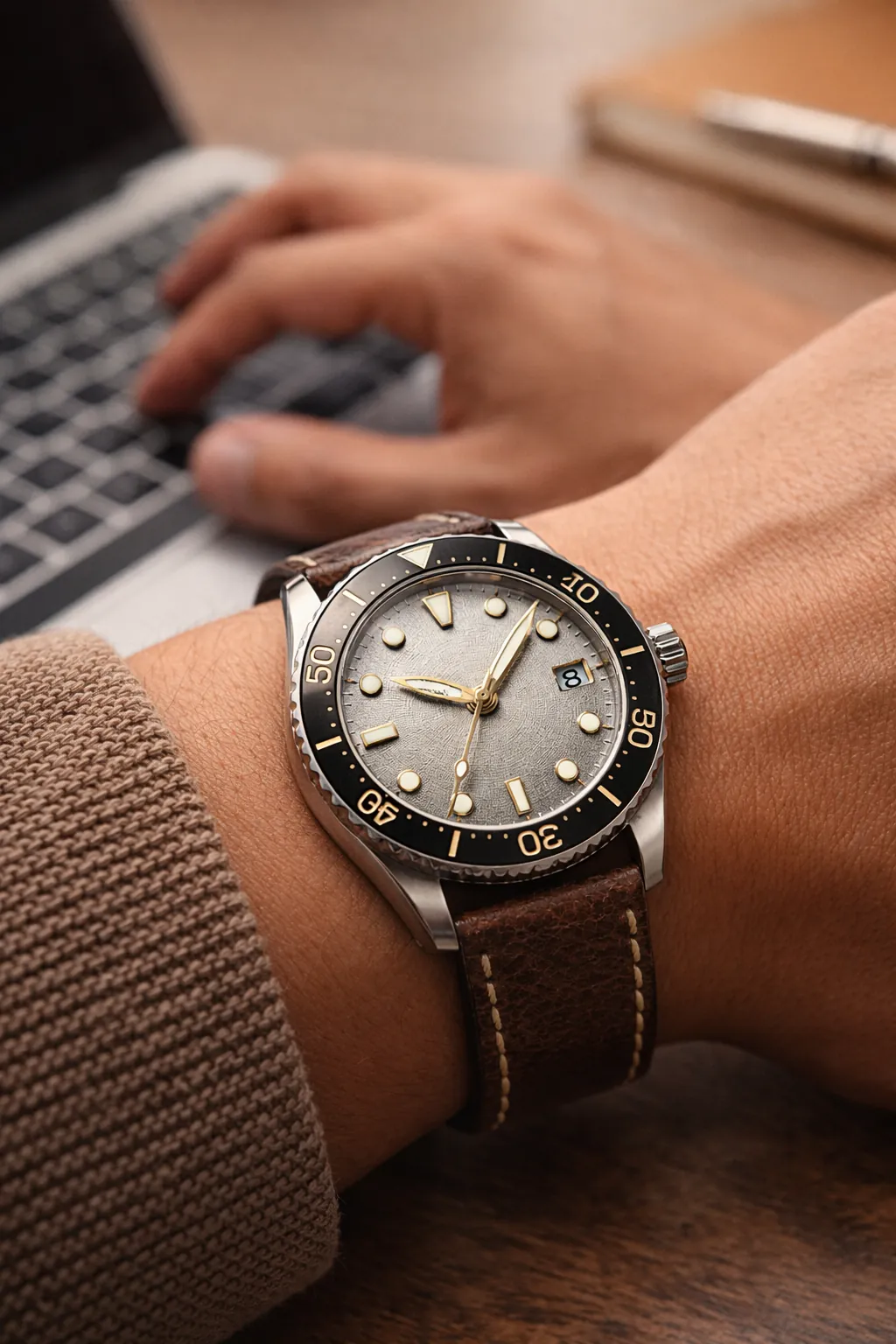
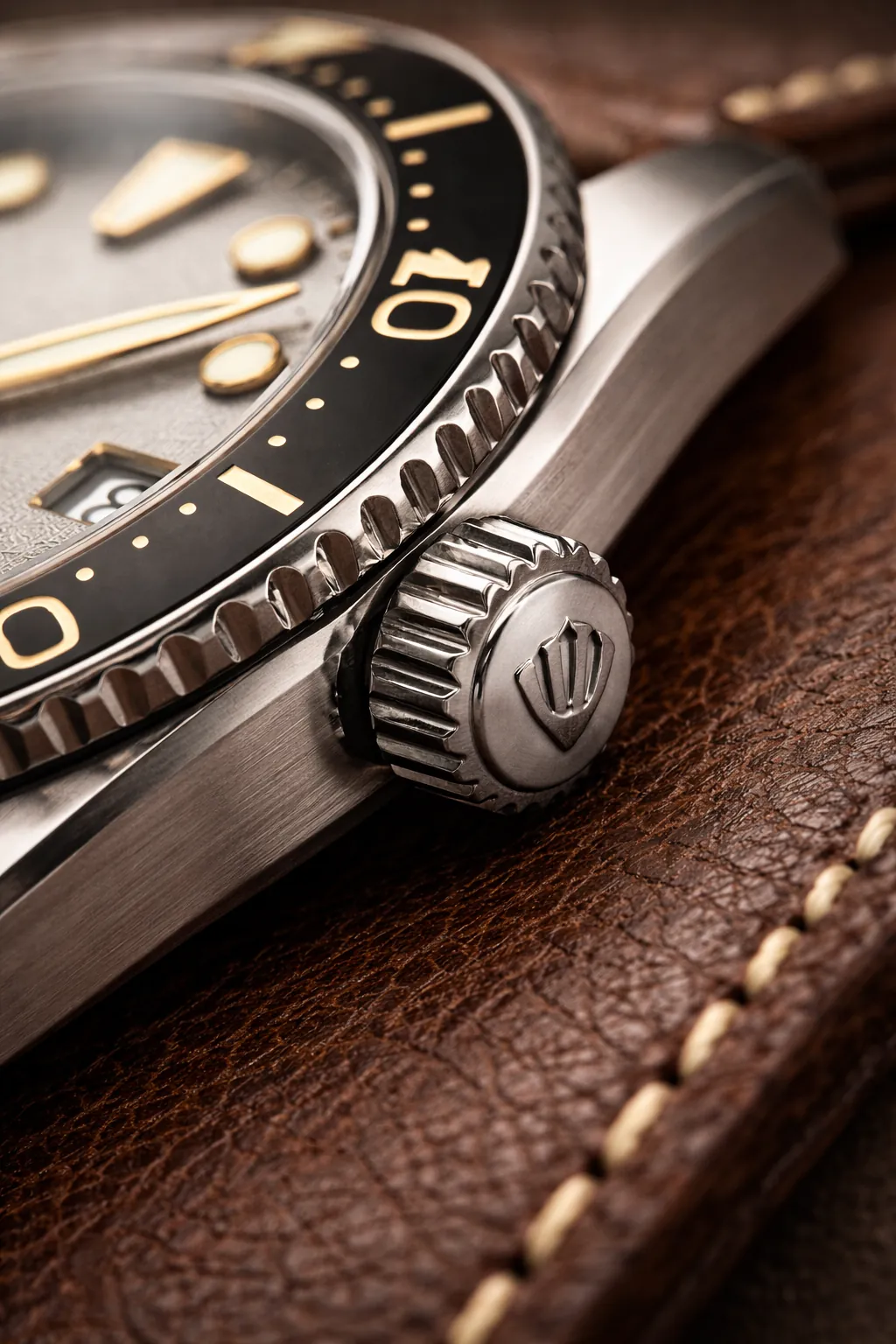
Water resistance: the most misunderstood expectation
Water resistance is a design rating, not a lifetime guarantee. Gaskets age, crowns can be left imperfectly sealed, and sudden temperature changes can stress seals. Even if a watch is rated for water exposure, it still benefits from cautious habits.
Reasonable expectations
- Light splashes and handwashing (with crown secured) for many daily-wear watches.
- Better outcomes when the watch is kept away from hot showers/saunas.
- Periodic checks if you rely on water resistance frequently.
Common expectation traps
- Assuming the rating covers every situation (heat, soap, pressure changes).
- Operating the crown/pushers while wet.
- Believing a new watch needs no caution at all.
The practical takeaway: if you want a worry-free “always okay in water” lifestyle, choose accordingly. Otherwise, treat water exposure as a controlled scenario, not an everyday default.
Fit, comfort, and “feels right”: the expectation you’ll notice most
Even a beautiful watch can feel wrong if the size, weight distribution, or bracelet fit doesn’t match your wrist. Comfort affects how often you wear it—and how consistently it performs (because wear patterns influence automatic winding and daily drift).
When evaluating comfort, focus on three signals: (1) whether the case sits flat without sliding, (2) whether the bracelet/strap has a secure but breathable tension, and (3) whether the watch disappears after 15 minutes rather than constantly reminding you it’s there.
A realistic pre-buy checklist (2 minutes)
Use this checklist to match a watch to your actual life. The goal is not to “talk you into” a choice—it’s to help you choose with clarity.

Timing tolerance: Do you need near-perfect daily time, or is small drift acceptable if it’s consistent?
Wear pattern: Will you wear it daily, rotate it with others, or leave it off for days at a time?
Environment: Are you frequently around magnets, water, impacts, or extreme temperature changes?
Comfort: Do you prefer lighter watches, or is weight part of the “premium feel” you want?
Set-and-go vs. hands-on: Do you enjoy adjusting and learning, or do you want low-maintenance ownership?