

POLICY / GUIDE · WATCH MAINTENANCE
How to Determine When Your Replica Watch Needs Maintenance
Not by Time, But by the Signals Your Watch Gives You
Many problems don’t happen suddenly. In most cases, your watch gives warning signs before it’s too late. Learn the key signals it provides—so you can maintain it at the right time.
Start Here: Focus on Signals, Not the Calendar
You don’t need a rigid schedule. Watch for changes in performance—these changes often indicate it’s time for maintenance.
-
Timekeeping Performance
Stable vs. drifting accuracy.
-
Power Reserve & Winding Feel
Reserve drop or rough winding.
-
Usage Habits & Environment
Heat, sweat, humidity, inactivity.
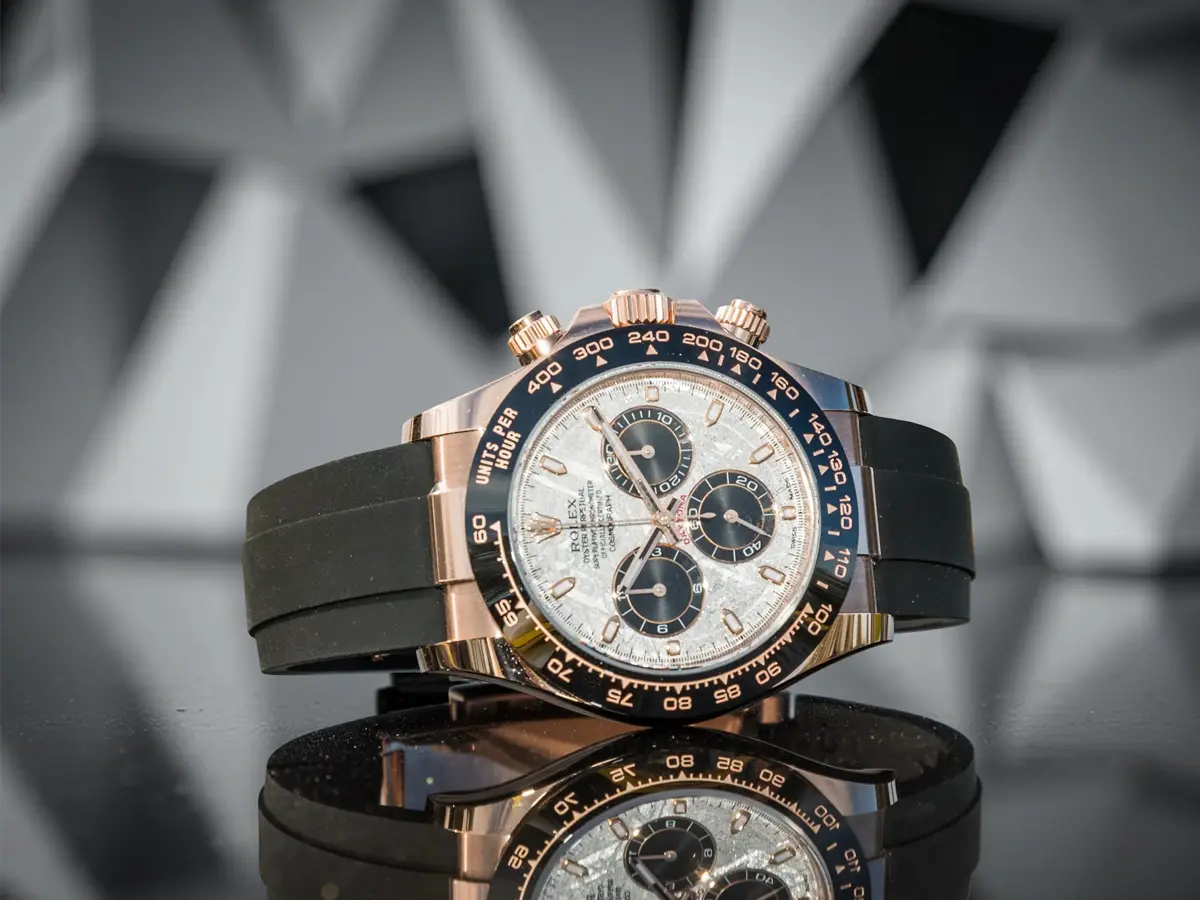
Three Key Signals to Look For
These indicators help you decide when service is needed—based on real performance, not dates.
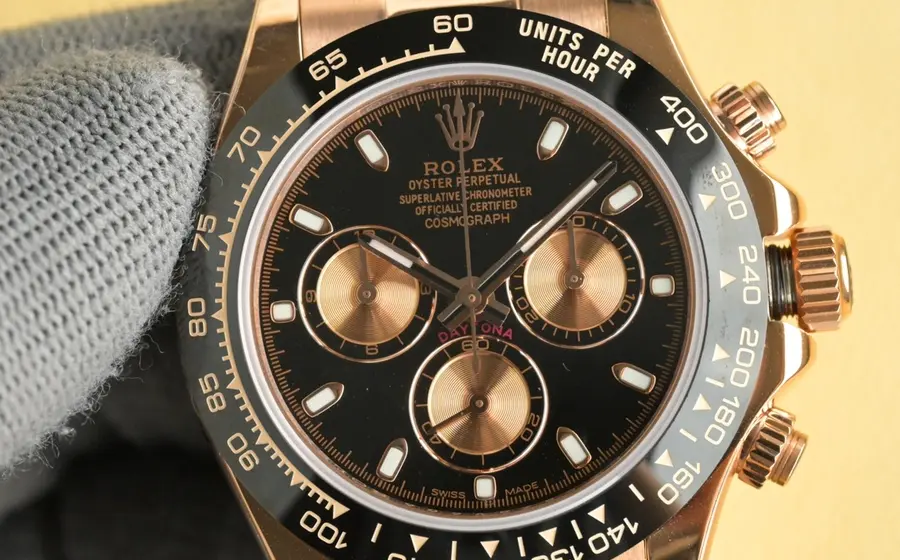
Drifting accuracy or sudden deviation is often the earliest warning.
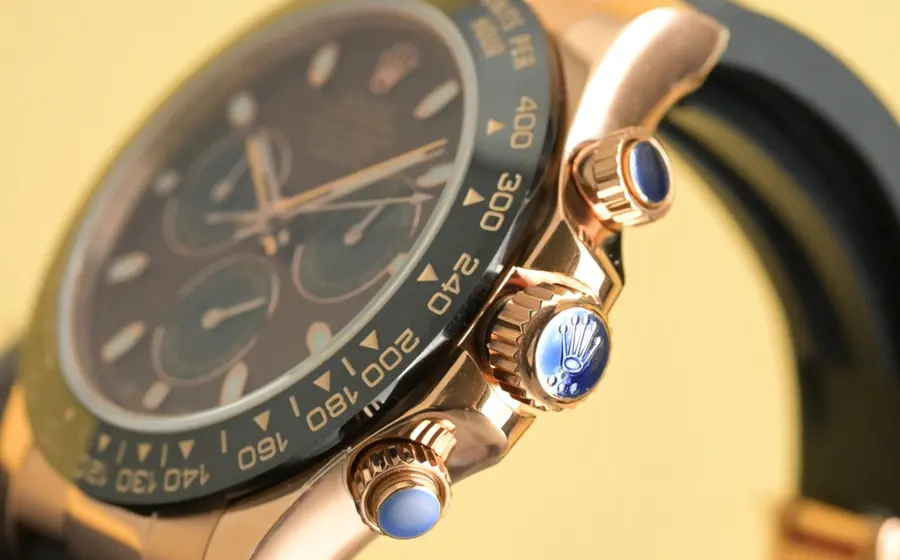
Rough winding or reduced reserve suggests lubrication fatigue.
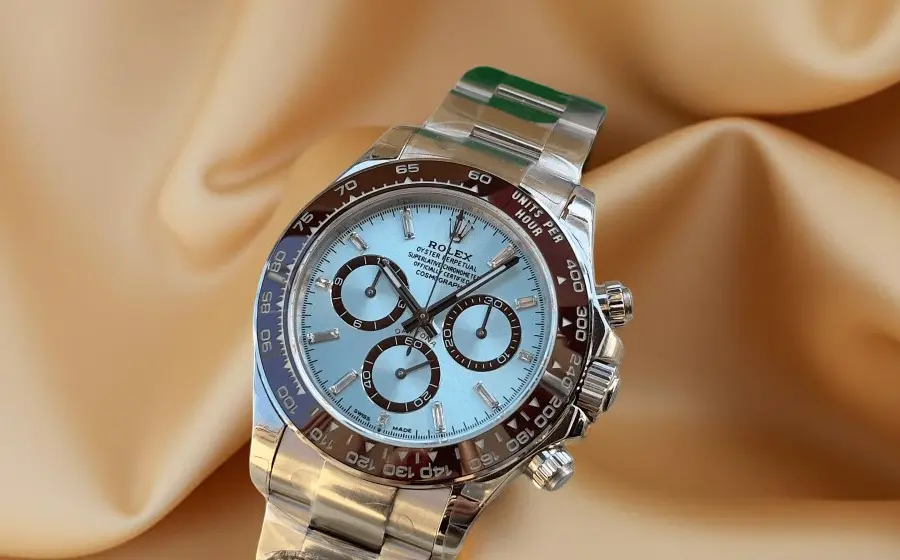
Heat, sweat, humidity, and long inactivity accelerate wear.
Jump to detailed breakdown →Let’s Clarify Some Common Misconceptions
Many people believe maintenance is calendar-based. The truth is: service needs are driven by performance and usage.
-
“If I don’t maintain it every year, it will break.”
Most issues appear gradually, not instantly.
-
“All replica movements are unreliable.”
Build quality and calibration vary—performance tells the truth.
-
“I need to maintain it according to the calendar.”
Use signals and behavior changes as your guide.
-
“As long as it’s still ticking, it’s fine.”
Small shifts often come before bigger problems.
Detailed Breakdown
Below is a deeper guide to help you diagnose maintenance needs based on real signals.
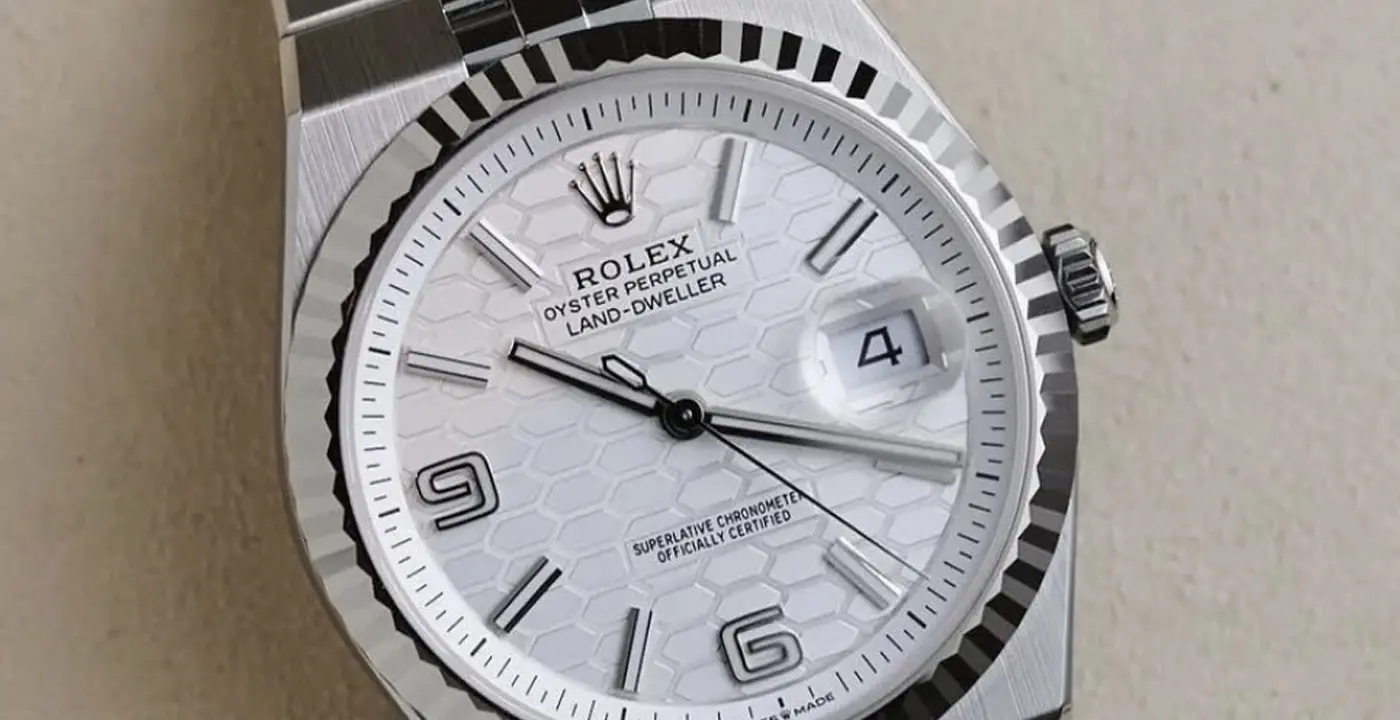
Signal 1: Timekeeping Issues
If your watch begins running faster or slower than usual, it may be time for maintenance. Many issues start with lubrication breakdown or rising internal resistance.
- Noticeable discrepancy: more than ±20–30 seconds per day.
- Inconsistent time: sometimes fine, sometimes suddenly deviates.
- Post-rest issues: wrong time after sitting idle for a while.
This usually indicates lubrication breakdown or increased internal resistance—components move less efficiently, and accuracy becomes unstable.
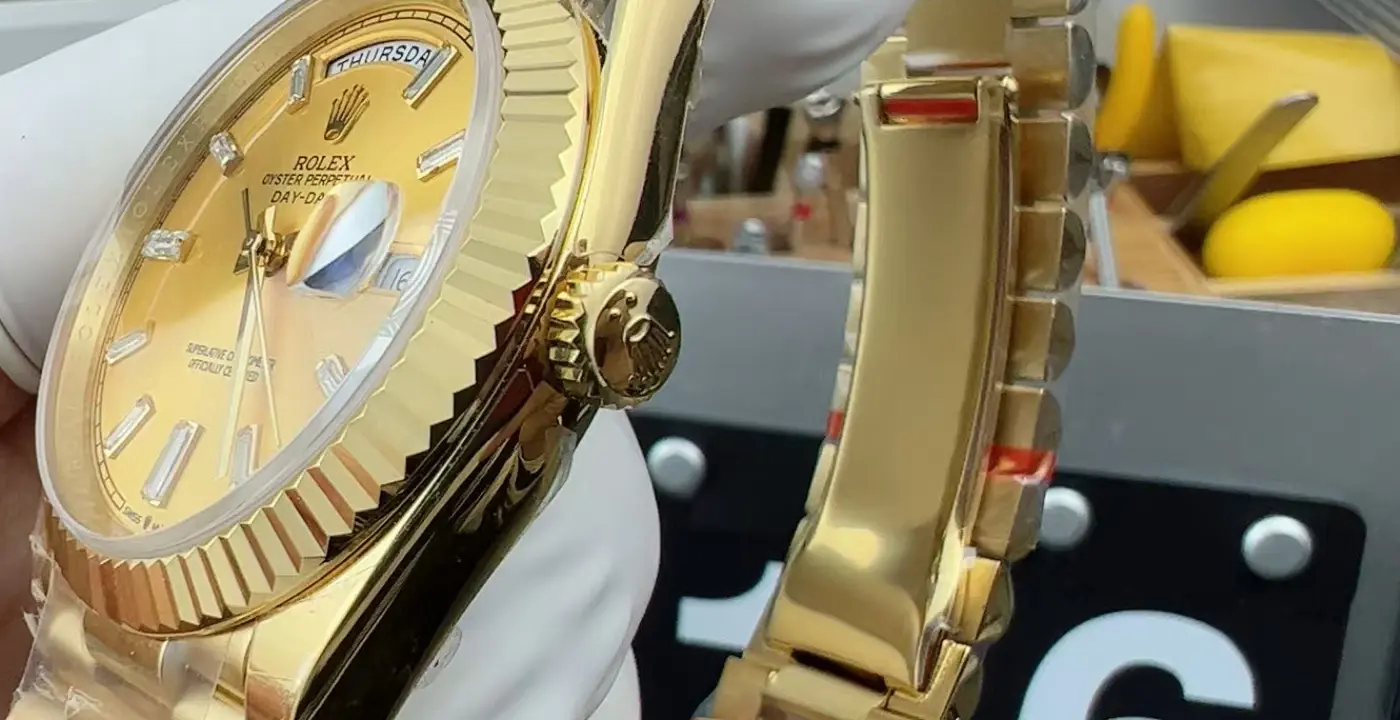
Signal 2: Power Reserve & Winding Feel
When winding, does it feel rough, tight, or uneven? A shorter power reserve is another strong indicator.
- The crown feels tight or rough when winding.
- Power reserve drops significantly compared to before.
In many cases, this indicates lubrication failure within the movement rather than a single broken part.
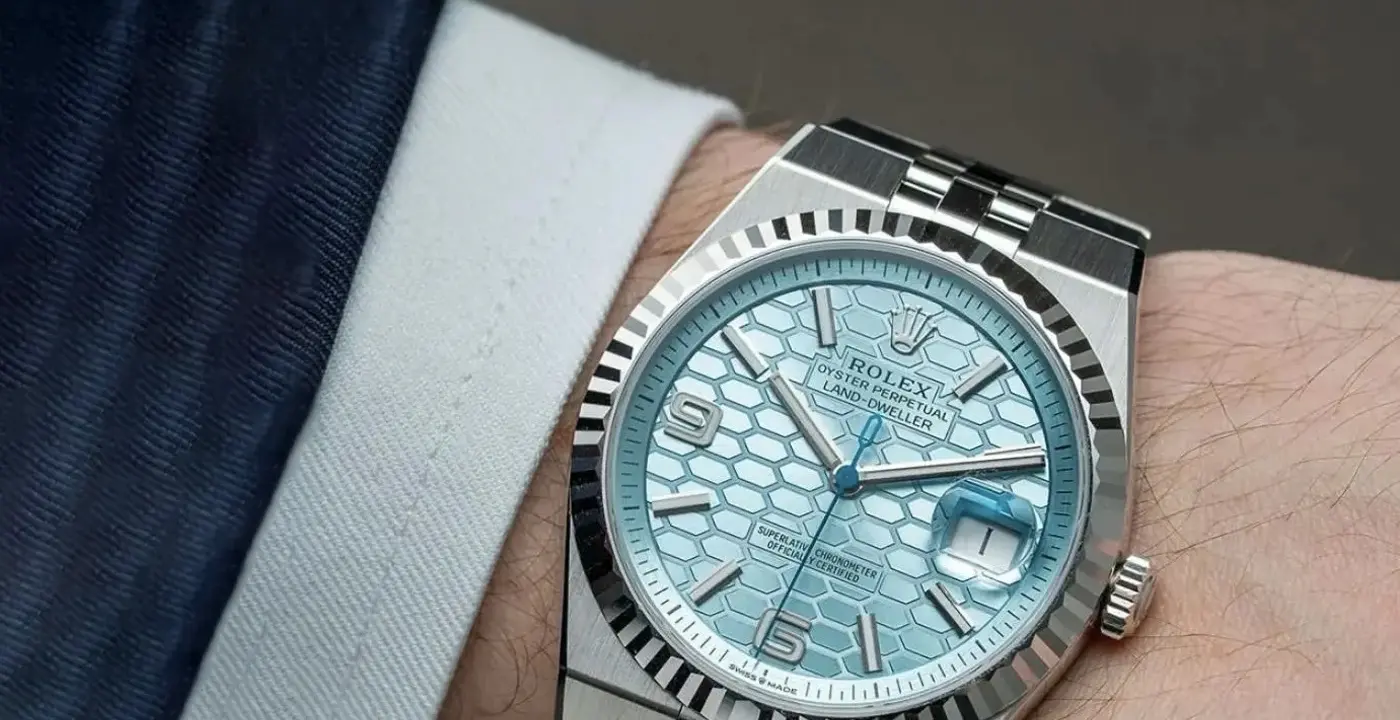
Signal 3: Impact of Wearing Conditions
External factors can affect performance even if the watch looks fine. Heat, humidity, sweat, and inactivity matter.
- Long-term exposure to heat or humidity.
- Heavy activity or excessive sweating.
- Not wearing the watch for months without winding.
Your environment and wear habits often influence maintenance needs more than the model itself.
When You Don’t Need Maintenance Yet
- Stable timekeeping: within an acceptable error range.
- Stable reserve: no clear decrease in running time.
- Smooth winding: natural, without grinding or resistance.
Over-maintenance can be more harmful than waiting. Service only when clear signals appear.
Recommended Maintenance Timeframes (Guidelines)
- Daily wear: typically 3–5 years between services.
- High-intensity use: often 2–3 years.
- Occasional use: monitor performance, don’t just go by time.
These are guidelines only. Always base maintenance decisions on performance, not calendar dates.
Why Some Replica Watches Are More Reliable Than Others
- Movement assembly precision: better assembly leads to fewer issues.
- Lubrication quality: higher-quality lubrication lasts longer.
- Pre-shipment calibration: testing improves stability over time.
In short: maintenance frequency is closely related to manufacture and assembly quality.
In Conclusion: Maintain Based on Signals, Not Time
- Don’t rely on set schedules.
- Look for signals, not dates.
- Understand how usage impacts maintenance needs.
Key takeaway: A good watch shouldn’t constantly need attention. Watch for signals and respond accordingly.
Send Us Your Video for Help