

Watch Accuracy vs Convenience Explained: What Matters More?
“Accurate” doesn’t always mean “best for real life.” This guide breaks down what accuracy really means, what makes a watch convenient day-to-day, and how to choose the right balance for your routine.

When people compare watch accuracy vs convenience, they’re often mixing three different questions: (1) How closely does it track real time? (2) How much effort does it take to keep it that way? and (3) How does it fit into my lifestyle? The “best” choice depends less on specs and more on the kind of timekeeping you actually need.
1) What “Accuracy” Really Means (and What It Doesn’t)
Accuracy is simply the difference between what your watch shows and real time. It’s commonly discussed as seconds gained or lost per day for mechanical watches, or per month/year for quartz. But accuracy is not a single permanent number—you can see variation based on:
- Position (dial up, crown down, on-wrist vs resting)
- Wear pattern (active movement vs desk days)
- Temperature and minor shocks
- Power reserve state (some watches behave slightly differently near low power)
- Service condition (lubrication and regulation over time)
So, when someone says “this watch is accurate,” it helps to ask: accurate for whom, in what conditions, and over what time window?
Accuracy targets people actually feel
For most daily routines, a drift of ~10–20 seconds/day is rarely noticed unless you compare to a phone. On the other hand, if you’re coordinating meetings, transport, or time-sensitive tasks, even a small drift can feel annoying because you’re checking and correcting more often.
2) What “Convenience” Looks Like in Everyday Wear
Convenience is the total friction of ownership: setting, wearing, adjusting, and living with your watch. It’s not just a feature list—it’s how consistently the watch fits into your week without becoming a “project.”
Convenience is often about fewer interruptions
Less frequent setting, easier adjustments, and less worry around bumps, water, or magnet exposure.
Convenience is also about lower decision load
A watch you can grab-and-go tends to get worn more, which makes it more “useful,” even if it’s not the most accurate.
Common convenience drivers
- Power behavior: Does it keep running if you skip a day? Is it easy to restart?
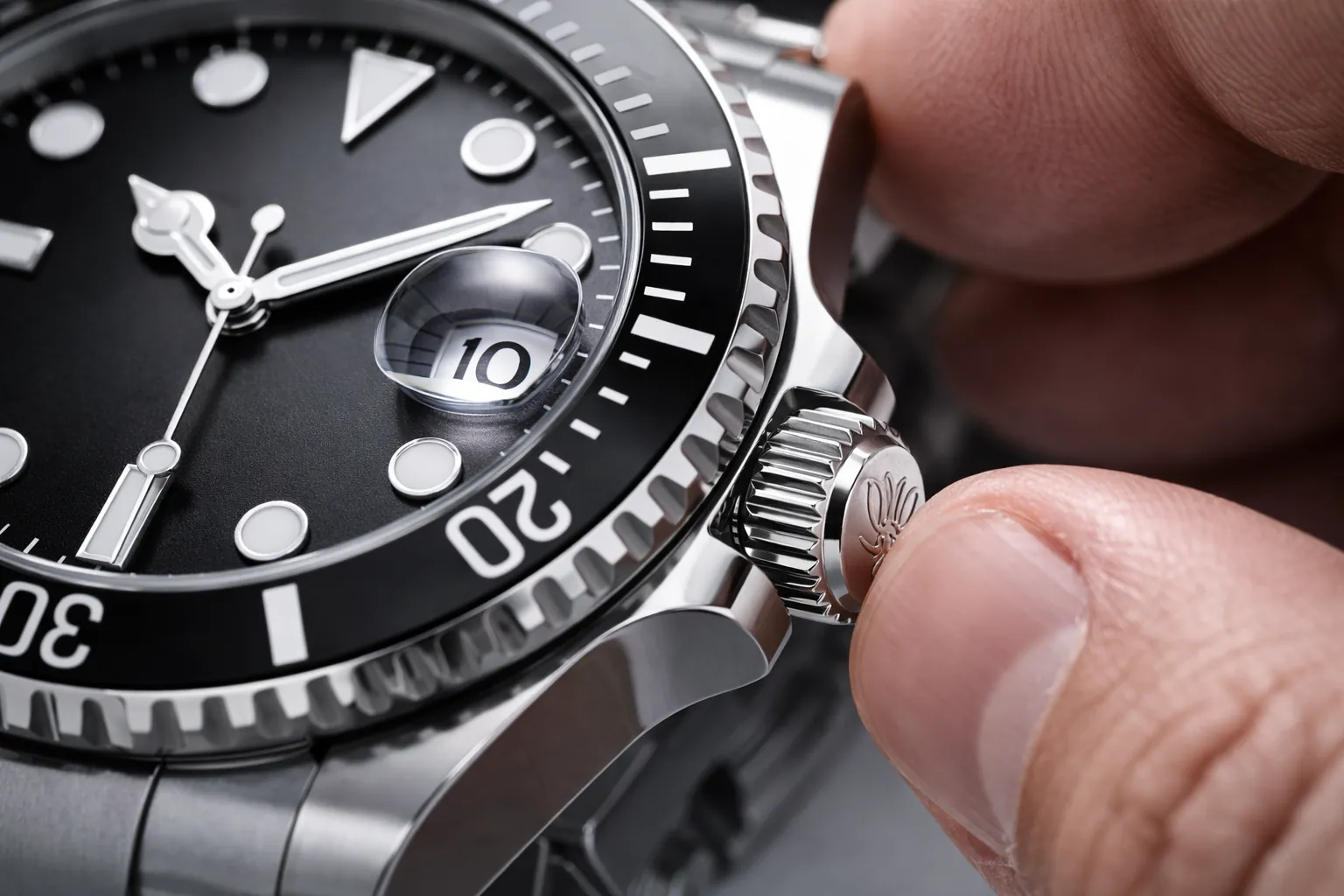
- Setting experience: Smooth crown action, clear date change, quick-set features
- Daily resilience: How sensitive it is to shocks, magnetism, water exposure
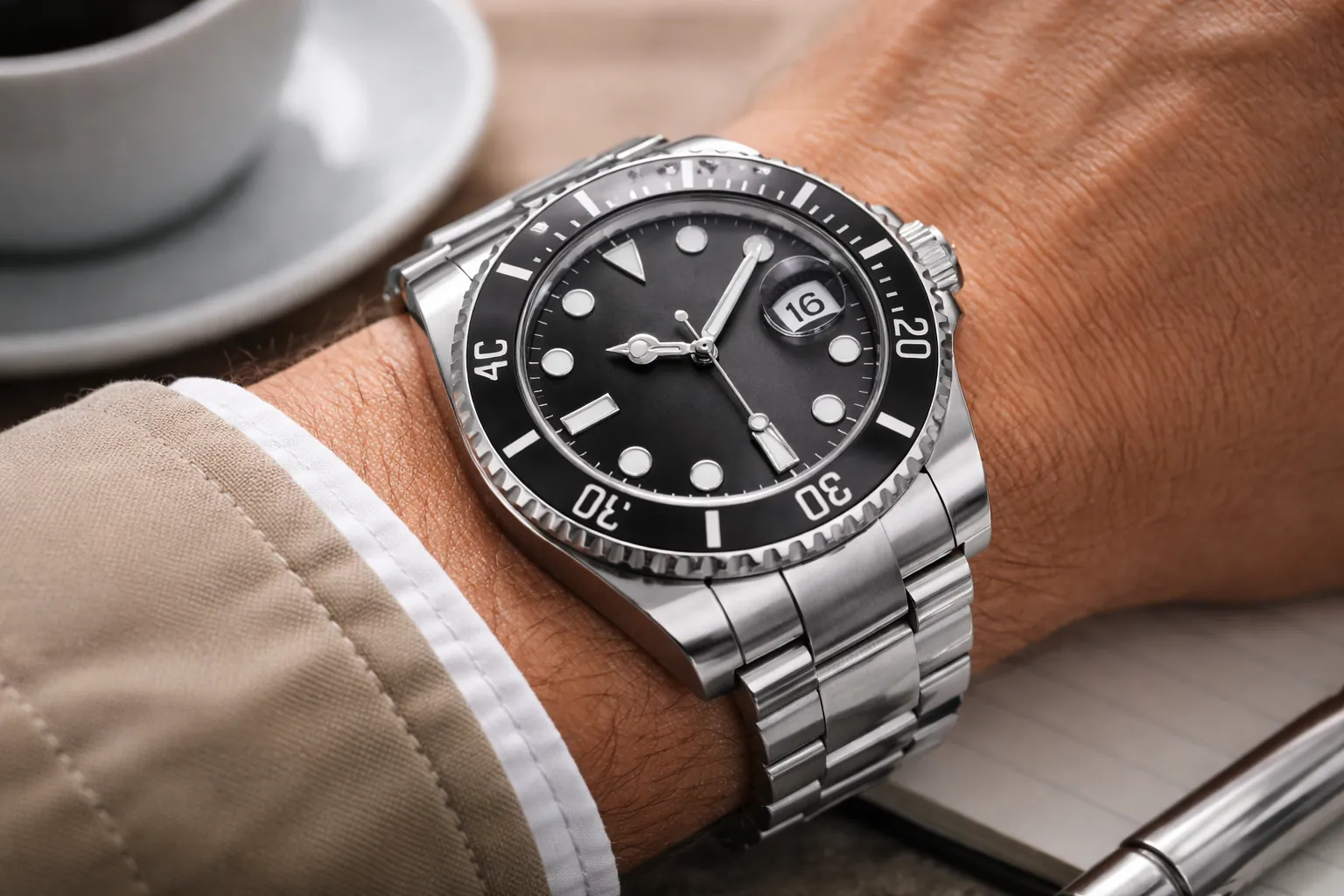
- Comfort: Weight, balance, case thickness, strap/bracelet feel
- Travel friendliness: Time-zone adjustment, legibility, low-light readability
3) The Trade-off: Where Accuracy and Convenience Pull in Opposite Directions
In the watch accuracy vs convenience debate, the tension usually shows up in maintenance and interaction. Many highly “involved” watches can be satisfying—until your schedule changes and the same rituals become friction.
| Preference | What you gain | What you accept |
|---|---|---|
| Accuracy-first | Less time correction, stronger trust for punctual routines | Potentially more attention to settings, environment, and service timing |
| Convenience-first | Grab-and-go wear, fewer “ownership chores,” more consistent use | May tolerate small drift and occasional re-sync |
| Balanced | Comfortable everyday function with “good enough” accuracy | Choosing based on lifestyle fit rather than chasing extremes |
4) A Practical Choice Framework (Pick the One You’ll Actually Use)
Instead of asking “Which is better?”, ask “Which is better for my week?” Use the quick checks below:
If accuracy matters more, you likely:
- Show up to timed events where minutes matter (work shifts, classes, transport)
- Hate second-guessing time and re-checking your phone
- Prefer a watch that stays consistent even with irregular wear days
If convenience matters more, you likely:
- Rotate multiple watches and don’t want frequent resetting
- Prioritize comfort, durability, and “no fuss” daily wear
- Don’t mind syncing occasionally because you already use your phone a lot
5) Small Habits That Improve Both Accuracy and Convenience
You don’t always have to choose one side. A few small habits can make your watch more trustworthy and easier to live with:
- Sync on a schedule: pick one weekly moment to set against a reliable time source.
- Store consistently: keeping a stable resting position can reduce day-to-day variation.
- Avoid magnets and hard knocks: especially if you notice sudden accuracy changes.
- Don’t force the crown: gentle setting preserves feel and reduces wear over time.
- Service when performance changes: treat accuracy drop as a signal, not a mystery.
6) Bottom Line: What Matters More?
In most real-world situations, convenience matters slightly more—because it determines whether a watch becomes a daily tool or a special-occasion object. Accuracy becomes the priority when your life depends on punctuality or when you prefer “set it and trust it” timekeeping with minimal correction.
If you want a simple final filter: choose the watch that matches your checking behavior. If you constantly compare to your phone, you’ll be happier with higher accuracy. If you mostly use your watch as a steady daily companion, convenience—comfort, ease of setting, and resilience—will do more for long-term satisfaction.
Suggested further reading (replace links with your compliant internal pages):
• Understanding watch movement types (mechanical, automatic, quartz)
• Daily-wear comfort and durability checklist
• Why watches lose/gain time and when to service