

A premium, practical guide to bezel design, materials, and QC checks.
Learn what to inspect, what common issues usually mean, and how to review QC with clearer expectations.
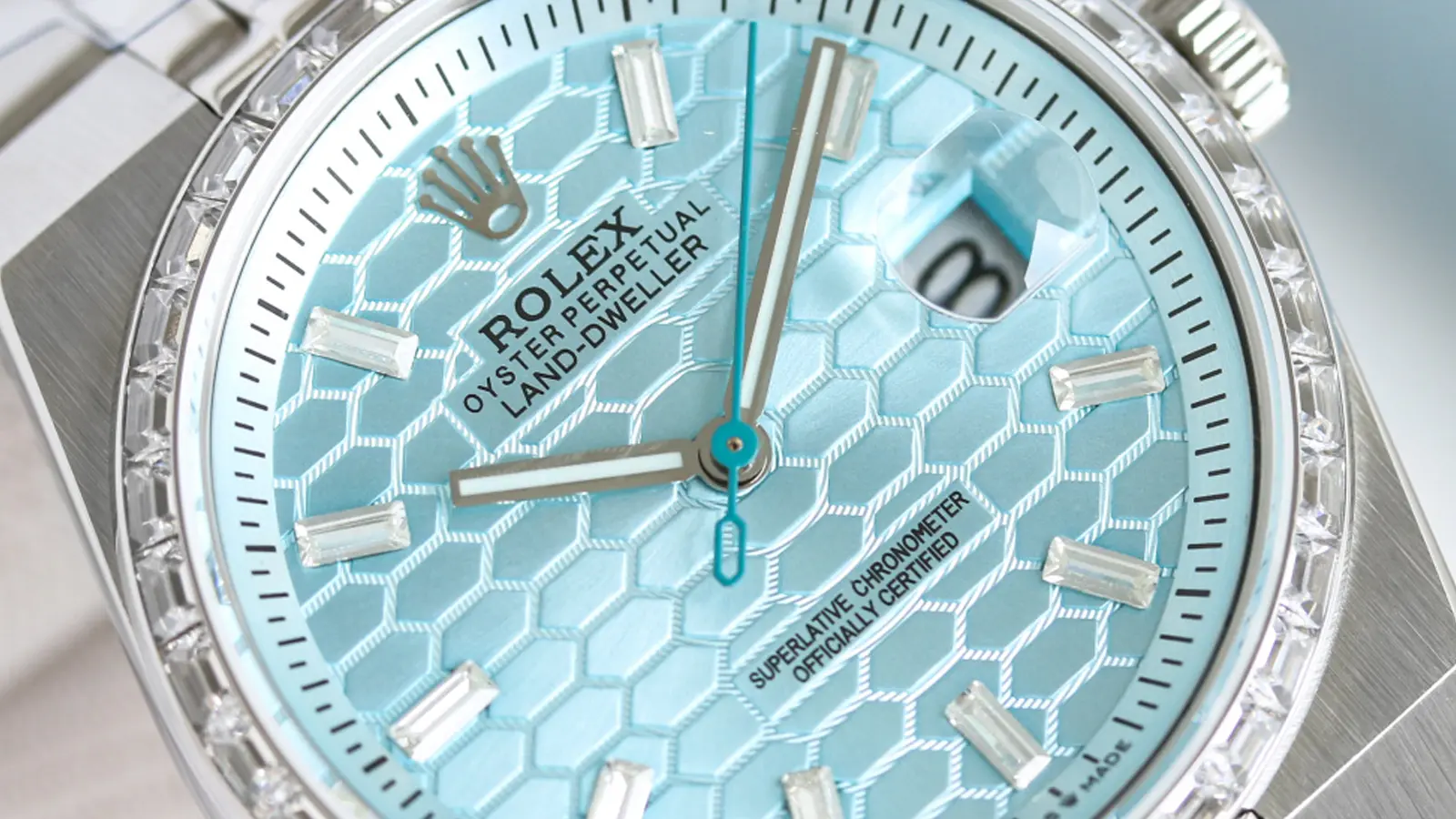
Why the Bezel Matters
The bezel is high-visibility and high-contact. It catches light and dust easily.
Bezel quality often reflects finishing consistency, assembly precision, and batch stability.
-
Finishing control
Uniform brushing, clean polish, sharp transitions.
-
Assembly precision
Alignment, fit, and stable rotation feel.
-
Batch consistency
Typography and tone staying consistent across units.
Bezel Types and What to Inspect
Fixed Bezels
Fixed bezels do not rotate. Quality is mostly visual.
Unidirectional Rotating Bezels (Diver-Style)
Focus on even resistance, stable clicks, and reliable alignment.
Bidirectional Rotating Bezels (GMT-Style)
Focus on consistent friction and uniform typography across the ring.
Materials and Craftsmanship Signals


Keep your judgment consistent: verify uniformity first, then judge cosmetics.
The 6-Dimension Bezel Framework
Use this framework to keep QC conversations repeatable.
Alignment
Start at 12 o’clock, then check 3/6/9 symmetry.
Engraving & Typography
Uniform font weight, spacing, and clean edges.
Fill Quality
Flat fill, clean borders, no overflow or bubbles.
Finishing
Clear brushing direction and crisp polish boundaries.
Feel & Fit
Stable feel, minimal wobble, clean edges.
Batch Consistency
Consistency across units, verified via QC media.
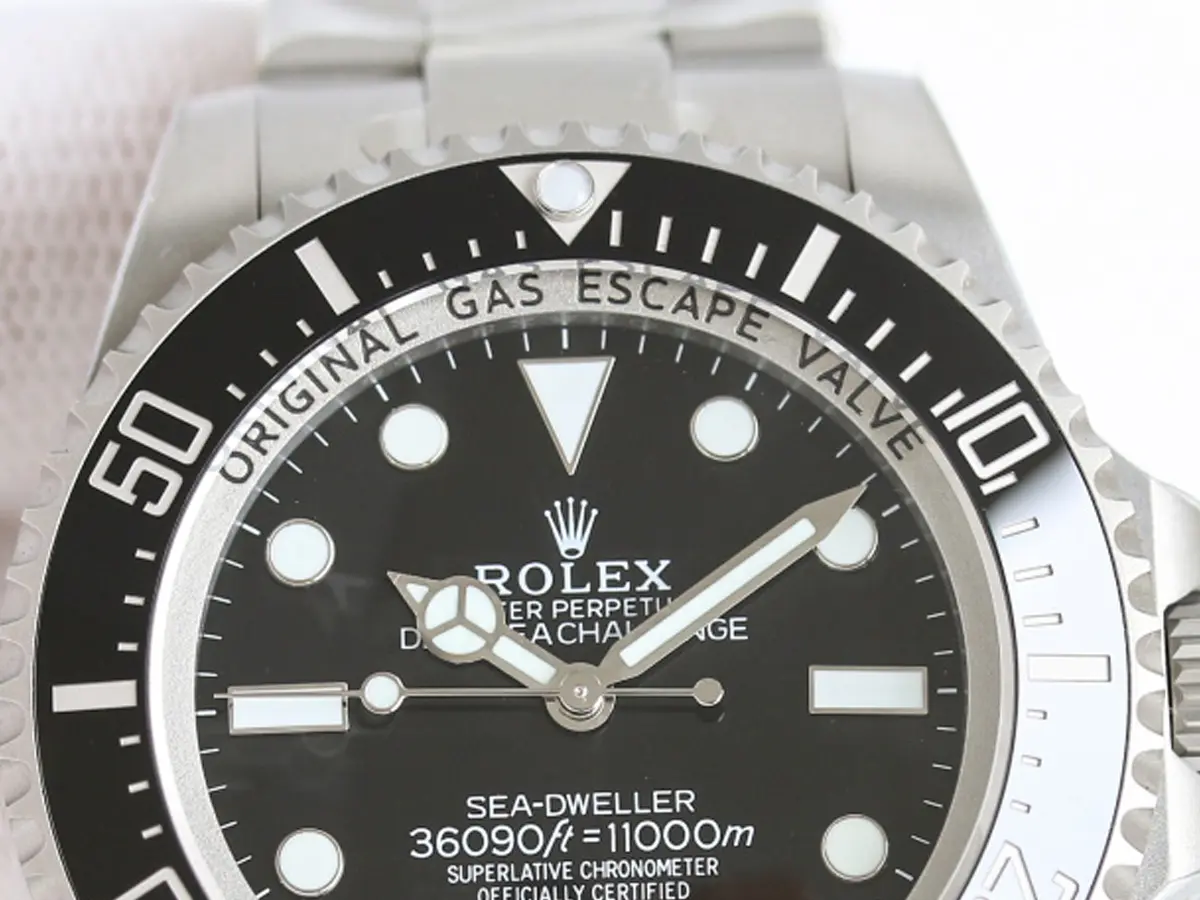
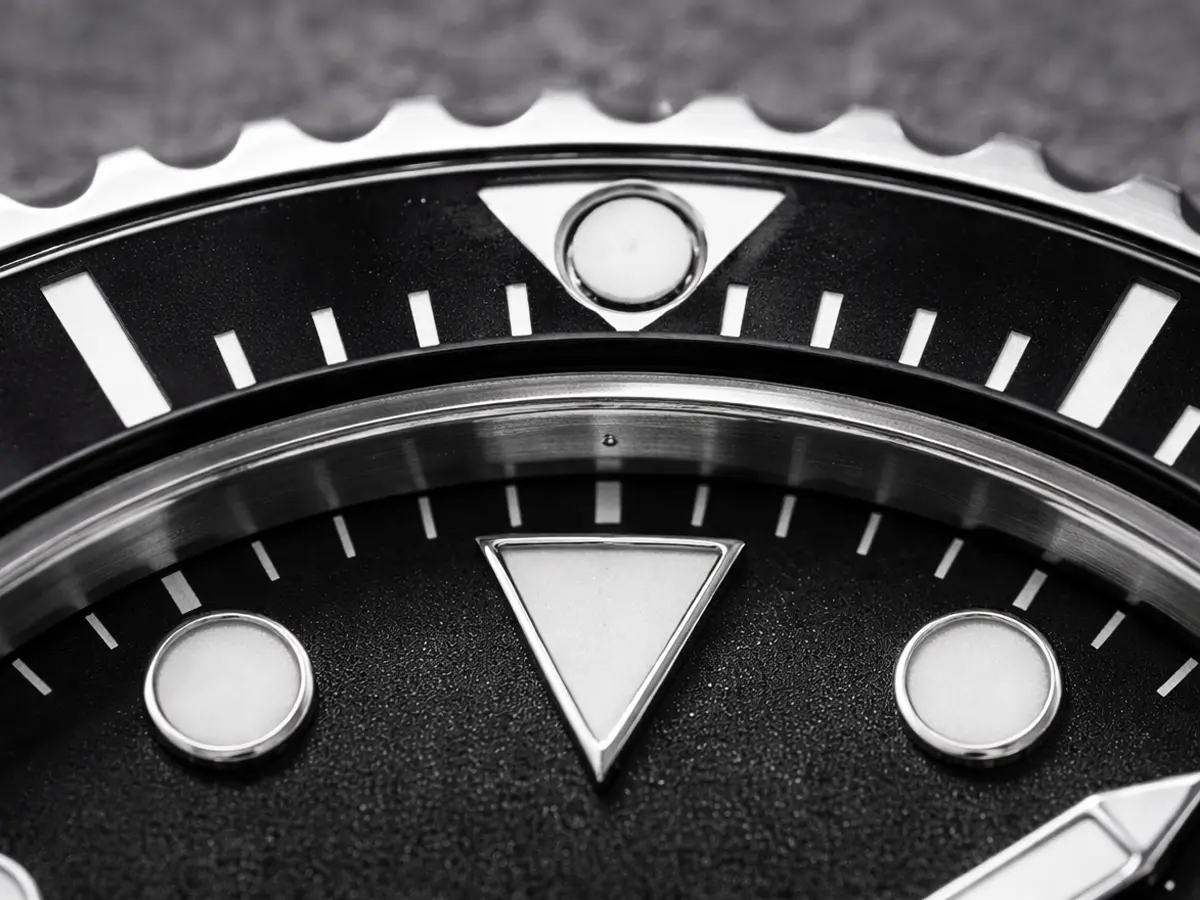
Common Issues and What They Usually Mean
- Misalignment
Often linked to assembly positioning. Best handled during QC.
- Stiff or uneven rotation
Often caused by dust, moisture, or wear. Consider maintenance if it worsens.
- Uneven fill or rough edges
Often tied to finishing control or batch variation. Confirm in QC if acceptable.
How to Read QC for Bezel Findings
Categorizing findings keeps decisions simpler.
- Hard-stop issues
Obvious misalignment, deep scratches, visible damage.
- Discussable issues
Minor tone differences or small cosmetic marks.
- Function-related issues
Unstable rotation feel, unusual looseness, grinding.
Quick Buyer Checklist (QC-Friendly)
Use this checklist to keep QC review consistent.