

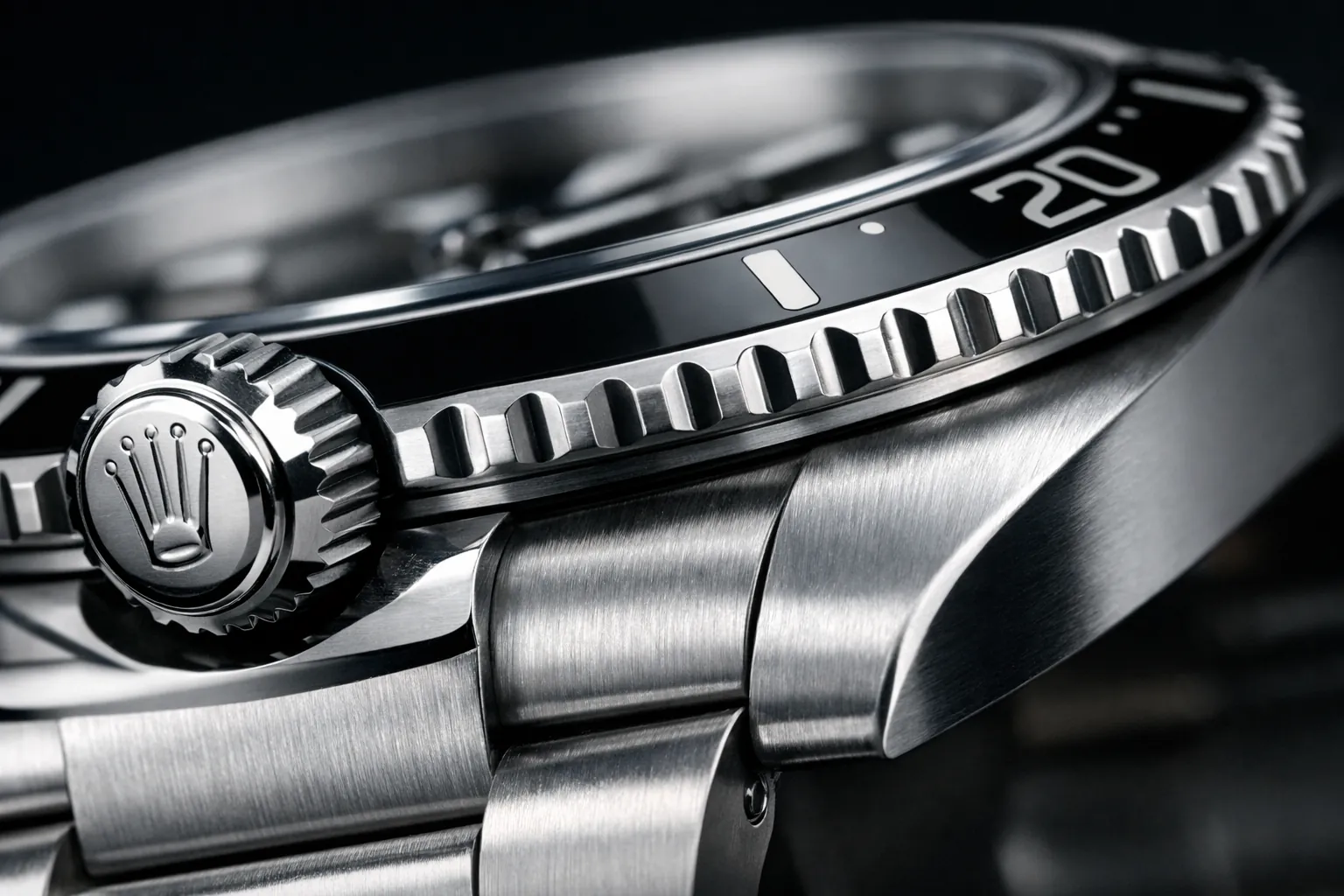
Stainless Steel Watch Cases Explained: Strength and Durability
Stainless steel is the default “do-everything” case material in modern watchmaking—tough enough for daily wear, workable enough for precise finishing, and stable enough to keep its shape over time. This guide explains what stainless steel really does for a watch case, where the durability comes from, and how to judge quality without turning the page into a sales pitch.
What a “watch case” is actually responsible for
A watch case does more than hold the movement. It’s a structural shell that protects against impact, dust, and moisture, while also keeping critical geometry stable: the crystal seat, caseback threads, crown tube alignment, and the lug-to-bracelet interface. When those interfaces drift—through wear, poor machining, or soft materials—small problems show up first (loose fit, rattles, inconsistent crown feel) and bigger problems follow (compromised sealing, uneven gasket compression, premature wear at contact points).
Why stainless steel became the everyday standard
“Stainless steel” isn’t one single metal. It’s a family of alloys built around iron with chromium as the key ingredient for corrosion resistance. For watch cases, the practical appeal is a balanced set of traits: solid hardness for real-world knocks, good corrosion resistance for sweat and humidity, and enough machinability to achieve crisp edges, consistent brushing, and high-polish transitions.
Practical takeaway: a durable case is rarely about “hardest possible metal.” It’s about a stable alloy + consistent finishing + tight manufacturing control so seals and fit stay reliable.
Strength vs. durability: two words people mix up
In daily wear, “strength” is about resisting deformation (bending, denting), while “durability” is about resisting long-term damage (corrosion, wear, and finish breakdown). Stainless steel generally performs well in both, but not equally in every scenario.
- Impact resistance: Steel tends to dent rather than crack, which is often preferable for a case shell.
- Scratch behavior: Many scratches are actually finish-level marks; brushing can hide them better than mirror polish.
- Corrosion resistance: Strong against everyday moisture, but not invincible—chlorides (saltwater) still matter.
Common stainless steel grades used in cases (and why they feel different)
You’ll often see two grades mentioned in watch discussions: 316L and 904L. Both are stainless steels, but they differ in composition and how they behave in corrosion-prone environments and during finishing. If you want the deeper material-by-material breakdown, see this stainless steel comparison resource. stainless steel comparison
| What to judge | What you should look for | Why it matters |
|---|---|---|
| Surface finishing | Even brushing, consistent grain direction, clean transitions at edges | Finishing hides wear, improves perceived quality, and reduces “cheap shine” cues |
| Edge definition | Sharp but not razor-like chamfers; no waviness along case lines | Crisp geometry signals accurate machining and stable case proportions |
| Caseback & threads | Smooth engagement, no gritty feel, predictable tightening | Thread quality affects sealing reliability and serviceability |
| Crown tube alignment | Centered crown feel, no lateral wobble during setting | Misalignment increases gasket wear and reduces water resistance stability |
Where durability is really won: tolerances and assembly
Stainless steel can be excellent on paper, but real-world durability is often decided by how precisely the case is machined and assembled. Think of tolerances as “how perfectly parts meet.” When tolerances are tight, gaskets compress evenly, the crystal sits flat, and the crown tube meets the stem cleanly. When tolerances are inconsistent, the case may still look fine, but sealing stability and wear patterns can degrade faster. A focused explanation of this idea is here: case assembly tolerances
Signs of well-controlled case manufacturing (no tools required)
- Symmetry: lugs match each other; crown guards (if present) look even from multiple angles.
- Consistent gaps: bracelet/end-link fit looks uniform; no “one-side tight, one-side loose.”
- Predictable crown feel: winding and setting feels centered; no scraping sensations.
- Finish continuity: brushed/polished transitions align cleanly across case sides and lugs.
Corrosion resistance: sweat, humidity, and saltwater
Stainless steel is designed to resist rusting because chromium helps form a passive protective layer on the surface. In normal daily use—office, commuting, casual wear—this is why steel cases hold up for years. The situations that deserve extra attention are chloride-heavy exposures (saltwater, frequent coastal air, and heavy sweat without rinse-off). A simple habit helps: after saltwater or intense sweating, rinse the case with clean water, dry it, and keep the crown properly secured.
Scratches and dents: what “daily wear” usually looks like
Most people experience finish wear before they experience structural wear. Hairline scratches accumulate on polished surfaces quickly; brushed surfaces mask them better but can “polish up” on high-contact edges over time. Dents usually come from sharp impacts—door frames, desk edges, or accidental drops.
If you’re choosing a watch for frequent, real-world wear, it helps to think about how the case design spreads weight and avoids pressure points. This guide covers comfort and practical durability factors that often matter more than spec sheets: daily wear watch considerations
How stainless steel compares to titanium, ceramic, and carbon composites
Stainless steel isn’t “best,” it’s “balanced.” Titanium can feel lighter and resist certain corrosion patterns extremely well, but it can show finish wear differently and may feel less “dense” on the wrist. Ceramic resists scratches impressively, but can chip or crack under certain impacts. Carbon composites can be strong and light, but aesthetics and long-term repairability vary by construction.
If your priority is one-watch versatility—workdays, travel, casual water exposure, and years of reliable shape stability—stainless steel remains a rational default. The quality difference usually comes down to finishing and assembly control, not the word “steel” itself.
A practical checklist for judging a stainless steel case (quick recap)
- Finish: even brushing, clean polish, and consistent transitions.
- Geometry: crisp lines, symmetrical lugs, stable proportions.
- Interfaces: smooth caseback engagement, centered crown feel, tidy end-link fit.
- Real-life fit: comfort and balance matter for durability because they reduce accidental impacts.
- Care habits: rinse after salt/sweat, keep the crown secure, wipe dry.
Note: This article is written for informational and pre-purchase evaluation purposes, focusing on material behavior, construction logic, and user-facing quality signals.